

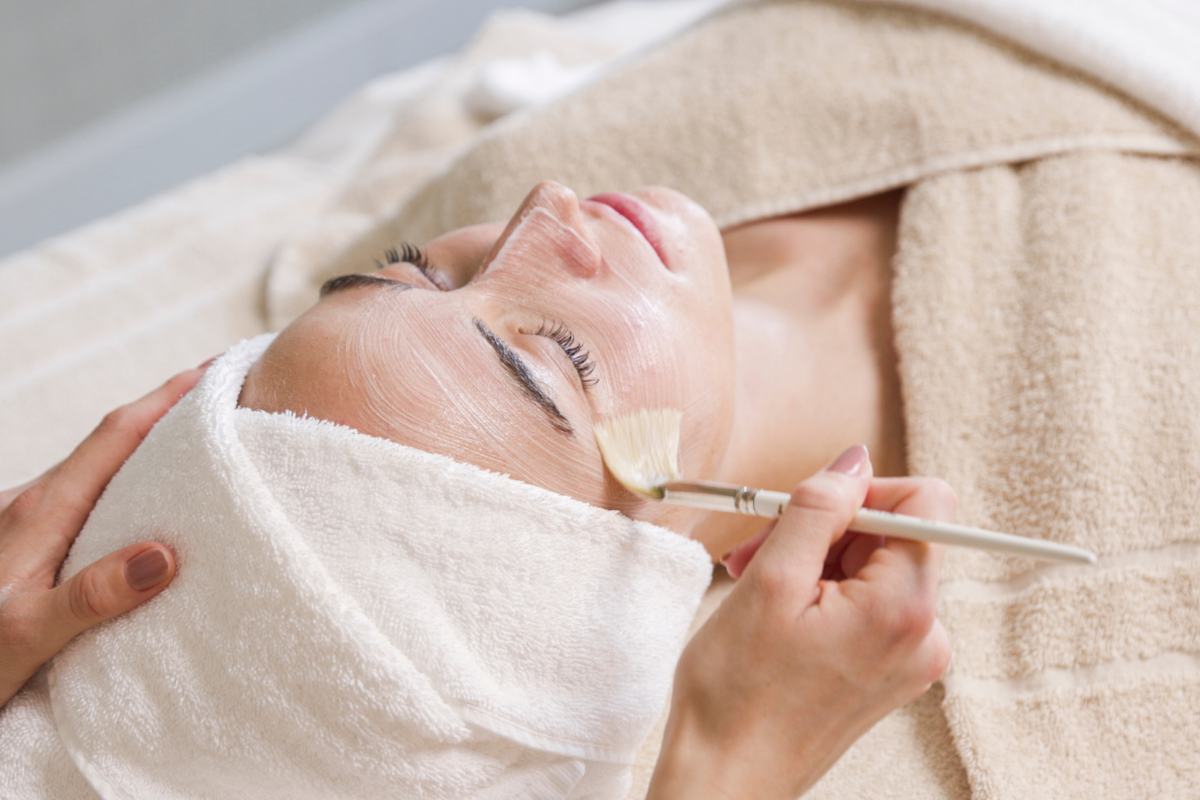
Many of us primarily associate beautiful skin with proper care. Serums, creams, and active ingredients are often the focus. However, it's easy to forget that our skin is not an isolated organ. It is closely connected to the entire body and reacts daily to what happens inside us.
How well we sleep, how balanced our diet is, or how much stress we experience: all of this can affect the appearance of our skin.
Therefore, Healthy Aging means more than just a good skincare routine. It describes a holistic approach where skincare, lifestyle, and patience work together.
The skin is a mirror of our body
Our skin protects us daily from external influences. At the same time, it is in constant communication with the outside world and our inner life.
Hormones, nutrients, inflammatory processes, and the nervous system all influence, among other things, moisture balance, the skin barrier, sebum production, regeneration, and collagen formation. This is why changes in skin appearance often result not only from new skincare products but also from everyday lifestyle changes.
Why sleep is so important for the skin
While we sleep, our skin continues to work. Numerous repair and regeneration processes occur at night. Minor damage is repaired, skin cells renew themselves, and the skin barrier can recover from the day's stresses. Poor or consistently insufficient sleep can impair these processes.
Many of us are familiar with the consequences of a restless night:
- dull complexion,
- tired-looking skin,
- swelling,
- or a less fresh complexion.
In the long term, while sleep is not a miracle cure, it is one of the most important prerequisites for healthy skin function.
Nutrition: What you eat shows on your skin
Our diet can also affect the skin. For building and repair processes, the body needs, among other things:
- protein as a building block for tissue,
- healthy fats for cell membranes,
- vitamins and minerals,
- and sufficient fluids.
A balanced diet can help ensure that the skin is optimally nourished. Conversely, there is no single "beauty diet" and no food that makes wrinkles disappear. Therefore, Healthy Aging does not mean perfection on your plate, but long-term balance.
Stress is also skin stress
Stress is a part of life. It becomes problematic primarily when it is chronic. Under persistent stress, the body releases more of the hormone cortisol. This affects various processes that are also relevant for the skin.
Long-term stress can contribute to, among other things:
- the skin barrier becoming more sensitive,
- inflammatory processes occurring more easily,
- regeneration slowing down,
- dryness or feelings of tightness increasing.
Many of us therefore notice changes in our skin particularly during stressful periods of life.
Small habits with a big impact
Often, it's not individual measures, but many small routines that make a long-term difference. These include, for example:
- as regular sleep as possible,
- a varied diet,
- drinking enough,
- daily exercise,
- conscious relaxation,
- consistent sun protection,
- and a calm, reliable skincare routine.
Serums and creams can thus usefully support the skin in Healthy Aging, but they are only part of the overall picture. Sleep, diet, and stress also influence how resilient, balanced, and healthy our skin appears.