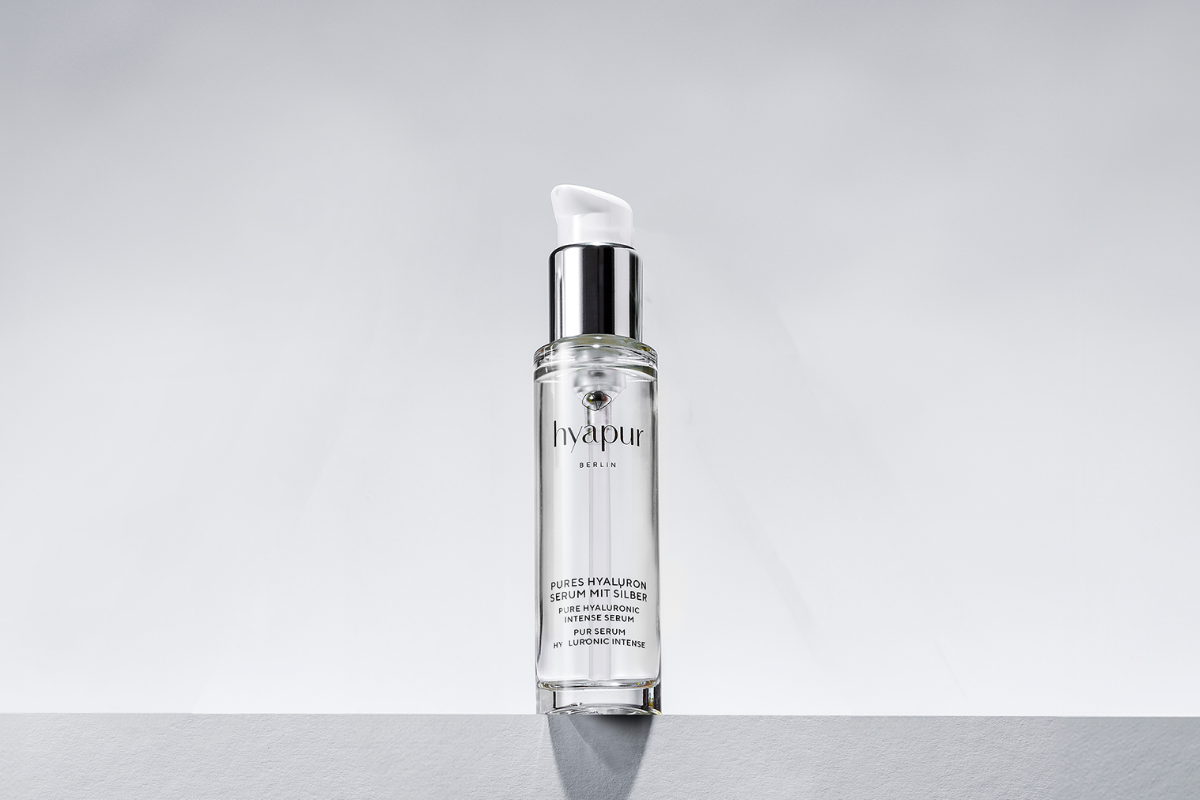

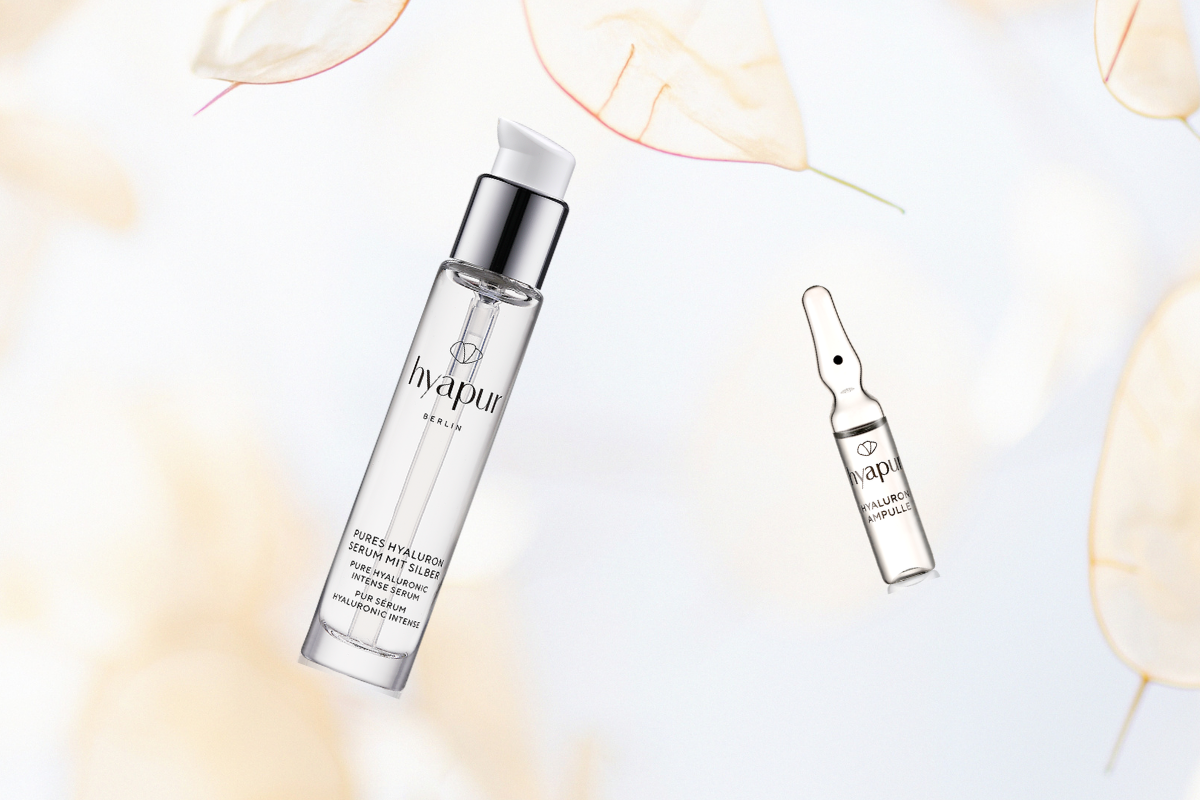
In skincare, the motto is often: the more active ingredients, the better. At the same time, more and more brands are deliberately opting for minimalist formulations with fewer ingredients. But does a short INCI list actually mean fewer skin irritations? The answer is more nuanced than many think.
Why ingredient lists have become longer and longer
If you turn over a face serum or cream today, you often discover impressively long ingredient lists. There are good reasons for this, because modern skincare is often designed to fulfill as many tasks as possible at the same time:
- Moisturize,
- strengthen the skin barrier,
- even out pigment spots,
- reduce wrinkles,
- soothe the skin,
- act as an antioxidant,
- smell pleasant,
- be easy to spread,
- and remain durable for a long time.
Different ingredients are required for each of these properties. A long INCI list is therefore not initially a quality feature, but also not a disadvantage. It merely describes how many functions a formulation is supposed to fulfill.
What does a minimalist formulation actually mean?
Minimalist skincare follows a different approach. Instead of combining as many active ingredients as possible, the formulation focuses on a few carefully selected components, each of which performs a clearly defined task.
A moisturizing serum, for example, primarily requires:
- a base that transports the active ingredient,
- a humectant,
- a formulation that can be used stably and safely.
Depending on the product goal, a few ingredients may therefore be sufficient.
Minimalism therefore does not mean sacrificing effectiveness. Rather, it means concentrating on the essentials.
Does less automatically mean better?
A closer look is worthwhile here. From a scientific point of view, the answer is: No.
A short ingredient list is not fundamentally more effective than a longer one. Likewise, a complex formulation is not automatically worse. What is crucial, however, is whether the recipe is sensibly structured, what the quality of the ingredients used is, and whether it suits the needs of the skin.
A cream with ceramides, cholesterol, fatty acids, glycerin and panthenol, for example, contains more ingredients than a pure hyaluronic serum. But it also fulfills a different task.
Here, therefore, it is not the number of ingredients that is decisive, but the function.
Why sensitive skin sometimes benefits from fewer ingredients
Nevertheless, there is a reason why minimalist skincare is gaining more and more attention, especially for sensitive skin. Every additional ingredient is initially another substance that comes into contact with the skin.
The vast majority of cosmetic ingredients are considered well-researched and are tolerated by most people without problems. Nevertheless, with each additional component, the probability that sensitive skin will react to a certain substance theoretically increases.
Especially people with a weakened skin barrier often report that they find simple formulations more pleasant.
This does not automatically mean that many ingredients would be problematic. It merely means that a reduced recipe can limit potential sources of irritation.
Trigger or allergy? An important distinction
If a product stings or causes redness, an allergy is often immediately spoken of. In reality, however, something else is often behind it. A weakened skin barrier can lead to the skin reacting more sensitively to ingredients that are actually well tolerated.
Dermatologists therefore distinguish between:
- Irritations, which can arise from temporarily sensitive skin,
and
- Contact allergies, in which the immune system specifically reacts to a certain substance.
Not every reaction is therefore automatically an allergy. Often, the skin first needs support to rebuild its natural protective function.
Which ingredients are often considered potential triggers?
Most cosmetic ingredients are well tolerated by the skin. However, some ingredient groups, especially for sensitive skin, can more frequently trigger irritations or allergic reactions.
These include, for example:
- intensely perfumed formulations,
- certain essential oils,
- individual preservatives,
- high concentrations of active ingredients,
- strongly exfoliating acids in case of a weakened skin barrier.
This does not mean that these ingredients should generally be avoided. The individual skin condition is always decisive.
Why a strong skin barrier is often more important than the INCI list
Interestingly, the tolerability of a product often depends less on the length of the ingredient list than on the condition of the skin. A healthy skin barrier acts like a well-functioning protective mantle. It keeps moisture in the skin and at the same time makes it more difficult for irritants to penetrate deeper.
If this barrier is weakened, even products that were previously tolerated without problems can suddenly cause burning or tightness.
Therefore, many dermatologists today recommend stabilizing the skin barrier first before adding intensive active ingredients.
Why minimalist products combine well
Another advantage of reduced formulations lies in their flexibility. A simply structured moisturizing serum can often be easily combined with other care components.
For example, with:
- a barrier-strengthening cream,
- a sunscreen,
- a retinoid
- Niacinamide or
- Vitamin C.
Each product takes on a clearly defined task. This principle is reminiscent of a modular system. Instead of incorporating many functions into a single product, skincare is individually put together.
Fewer ingredients do not mean less science
Minimalist formulations often appear very simple at first glance. In reality, however, a lot of development work is often behind them. Because the fewer ingredients are used, the more important their quality, stability and interaction within the recipe become.
A short INCI list is therefore not automatically easier to develop; it merely follows a different philosophy: not as much as possible, but as targeted as possible.
Why this approach can be suitable for sensitive skin
Especially people whose skin quickly feels tight, burns or reacts to new products often want one thing above all: peace.
A clear skincare routine with a few well-chosen products can help to reduce unnecessary irritations and relieve the skin barrier. This does not mean that complex formulations would be fundamentally unsuitable. Rather, it is about giving the skin exactly what it currently needs.