

Hyaluronic Acid: Small Molecule, Big Impact
Hyaluronic acid is the classic when it comes to smooth, plump skin. This small miracle molecule binds moisture, plumps up the skin, and increases elasticity.
But not all hyaluronic acid is created equal. There are significant differences that determine how effective your skincare truly is. Here you will learn everything you need to know to find the right product for your skin.
Why Hyaluronic Acid?
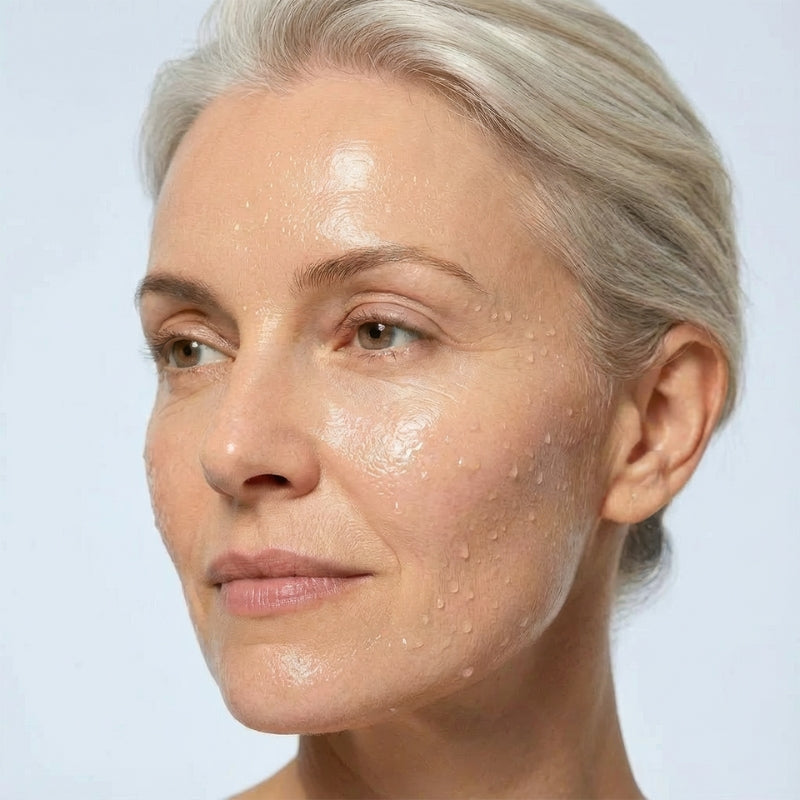
Hyaluronic Acid is a natural component of your body – it is found in the skin, connective tissue, and joint fluid. It ensures that everything stays nice and supple.
However, from your mid-20s, your body produces less of it, and your skin loses moisture, leading to the formation of first lines.
Skincare with hyaluronic acid helps to counteract this process. It provides intensive moisture, strengthens elasticity, and leaves your skin feeling fresh and smooth.
Fun Fact: Hyaluronic Acid can bind up to 1,000 times its own weight in water. No wonder it's considered the number one hydration booster.
How does hyaluronic acid work in your skincare?
Hyaluronic Acid is not always composed in the same way. The molecular size is crucial:
High Molecular Weight Hyaluronic Acid
High-molecular hyaluronic acid remains on the skin's surface. It binds moisture, visually smooths, and protects – perfect for immediate effects.
Low Molecular Weight Hyaluronic Acid
Low molecular weight hyaluronic acid penetrates deeper. It replenishes moisture reservoirs from within, strengthens the skin structure, and ensures long-term elasticity.
Frequent questions and our answers regarding hyaluronic acid in skincare
What is hyaluronic acid and how does it work in skincare?
Hyaluronic acid is the body's natural moisture reservoir, capable of binding large amounts of water. In skincare products, it helps to intensively hydrate the skin, make it appear plumper, and visually smooth fine lines.
Where does hyaluronic acid come from?
In the past, hyaluronic acid was often sourced from animals. Today, it is mostly produced biotechnologically on a plant-based foundation. At hyapur® Berlin, we use the biotechnological process and produce our hyaluronic salt biotechnologically based on plant-derived glucose. Vegan and particularly skin-friendly.
When is hyaluronic acid right for you?
If you're looking for smoother, plumper skin and a fresher complexion, hyaluronic acid is the active ingredient for you.
What does hyaluronic acid help with?
It helps with:
- dehydration
- first lines and wrinkles
- loss of elasticity
- a tired complexion
Which skin type is hyaluronic acid suitable for?
Hyaluronic acid is suitable for all skin types – including sensitive, oily, combination, or acne-prone skin. It is non-comedogenic and therefore also well-suited for blemish-prone skin.
How do I apply hyaluronic acid correctly?
It's best to apply hyaluronic acid to slightly damp skin, then seal it with a moisturizer. Ideally, apply it in the morning and evening.
Can hyaluronic acid be used daily?
Yes, hyaluronic acid is very well tolerated and can usually be applied twice a day. It is perfect for daily use in your skincare routine.
Can hyaluronic acid reduce wrinkles?
Hyaluronic acid cannot permanently remove wrinkles, but it can visibly reduce them by making the skin appear plumper and better hydrated. For deeper wrinkles, ingredients such as retinol or peptides are also suitable.
What is the difference between high- and low-molecular hyaluronic acid?
- High molecular weight hyaluronic acid works on the surface, instantly moisturizes and smooths directly.
- Low molecular weight hyaluronic acid penetrates deeper and provides long-term hydration and suppleness.
When will I see the first results with hyaluronic acid?
Initial effects – such as plumpness and reduced tautness – are often visible immediately. Deeper hydration and a smooth complexion usually develop within 2–4 weeks of regular use.
Hyaluronic Acid Serum or Hyaluronic Acid Cream: Which is better?
Serums are the active ingredient boosters in your routine – light, concentrated, and designed for maximum effectiveness. They deliver targeted hyaluronic acid to your skin to intensely hydrate it.
Creams, on the other hand, protect the skin barrier, lock in moisture, and keep everything beautifully supple. Many contain high-molecular hyaluronic acid – for the nourishing protective film on your skin.
It's best to combine both. First the serum, then the cream. This way, you harness the full power of hyaluronic acid.
Contact |
Shipping costs |
Payment options |
|
|
We are happy to take your order by phone, Mon – Fri 9:00 AM to 4:00 PM. |
*Free shipping within Germany and to Austria. Delivery within the EU €7.90 incl. 19% VAT. Delivery to Switzerland €7.90 VAT free. Shipping to all other countries: Flat rate of €20.00.
|
- by prepayment - by invoice (from the 2nd order) - by PayPal - by instant bank transfer
|
|