
When skin burns, feels tight, itches, or appears red quickly after skincare, the suspicion arises: "I am intolerant to this ingredient." However, it is not that simple. Not every skin reaction is an allergy, and a long list of ingredients does not automatically mean a product is bad for sensitive skin. But does a short INCI list automatically mean fewer skin irritations? The answer is more nuanced than many think.
What does "sensitive skin" actually mean?
Sensitive skin often reacts faster or more intensely to external or internal influences than other skin. Typical signs can include redness, itching, a feeling of tightness, rough or dry patches, an uncomfortable feeling of warmth, or reactions to new products or certain environmental conditions.
Sensitive skin is not necessarily the same as dry skin or a damaged skin barrier. The terms describe different aspects of a skin condition and can occur at the same time. However, the skin barrier plays an important role: if it is out of balance, the skin can be more easily irritated by external influences.
Which ingredients can irritate sensitive skin?
Most cosmetic ingredients are well tolerated by the skin. However, some groups of ingredients—especially with sensitive skin—are more frequently associated with irritation or contact allergies.
These include, for example:
- heavily perfumed formulations,
- certain essential oils or fragrances,
- individual preservatives,
- highly concentrated active ingredients,
- strongly exfoliating acids when the skin barrier is weakened.
This does not mean that these ingredients should be avoided altogether. The individual skin condition is always the deciding factor. Because "can irritate" does not mean "always irritates." Concentration, formulation, the combination of different active ingredients, and the current state of the skin also influence tolerability. Therefore, it makes little sense to label individual ingredients as "harmful" across the board.
Irritation or allergy? An important difference
If a product burns or causes redness, people often talk about an allergy immediately. In fact, however, different reactions may be behind it.
Irritation
An irritant reaction occurs when the skin is irritated by a substance or a combination of external factors. A weakened skin barrier can play a role here. For example, intensive peels, frequent cleansing, or a combination of several active ingredients can strain the skin more than it can currently handle.
Contact allergy
With a contact allergy, the immune system reacts specifically to a particular substance. A damaged skin barrier does not necessarily have to be present for this to happen. The reactions can manifest, for example, through redness, itching, or inflammatory skin changes.
Therefore: Not every skin reaction is an allergy. In the case of recurring or severe reactions, the cause should be clarified by a dermatologist instead of arbitrarily cutting more and more ingredients from your skincare routine.
Why the skin barrier is often more important than the length of the INCI list
For sensitive skin, it is therefore worth changing your perspective. Instead of just looking at the ingredient list, you should also ask: How is my skin barrier doing right now?
The skin barrier helps to keep moisture in the skin and at the same time protects against external influences. If it is disrupted, the skin can become drier, tighter, and more reactive. Products that previously worked without problems may then suddenly burn uncomfortably. A reduced skincare routine can be sensible in this situation because it allows the skin a phase with fewer potential irritants.
Minimalism is a tool here, and sensitive skin does not automatically need fewer ingredients.
That sounds contradictory at first, but it is important.
Sensitive skin does not fundamentally need products with the shortest possible INCI list. A well-formulated cream, for example, may require several components to provide the skin with lipids, bind moisture, stabilize the texture, and preserve the product. A longer INCI list therefore initially says little about the tolerability of a product.
Why a minimalist routine can still make sense for sensitive skin
If the skin reacts frequently, it can be helpful to simplify the routine temporarily.
Instead of combining numerous products morning and evening, a reduced routine can consist of a few well-tolerated building blocks.
For example:
1. Gentle cleansing
Depending on the skin condition, perhaps only water in the morning, and a mild cleanser in the evening.
2. Moisture
A well-tolerated moisturizing product can supply the skin with water-binding agents and/or other supportive components.
3. Barrier protection
Depending on the skin condition, a suitable cream can help to support the skin barrier.
4. Sun protection
UV protection remains an important part of healthy skincare. Even when the rest of the routine is as reduced as possible.
Further active ingredients can subsequently be added in a targeted manner if the skin requires them and tolerates them well.
What to do if the skin suddenly reacts sensitively?
If the skin suddenly burns, feels tight, or is red, you do not have to replace your entire skincare routine immediately. It is often sensible to first simplify the routine and temporarily omit particularly intensive active ingredients or strongly exfoliating products.
Observe the following:
- When does the reaction occur?
- After which product?
- How quickly does it start?
- Does the skin burn or itch?
- Is the reaction permanent or does it disappear again?
- Has anything else changed at the same time, such as cleansing, peeling, weather, or UV exposure?
These observations can help to narrow down possible triggers.
In the case of severe, persistent, or recurring symptoms, the skin should be examined by a doctor.
Minimalist formulations: fewer, but targeted
Minimalist skincare therefore does not mean that the fewest possible ingredients are always the best solution.
It is rather about avoiding unnecessary complexity and giving every ingredient a comprehensible task.
A moisturizing serum, for example, requires a base, a moisturizer, and a stable, safe formulation. Depending on the goal of the product, a few components can be sufficient for this.
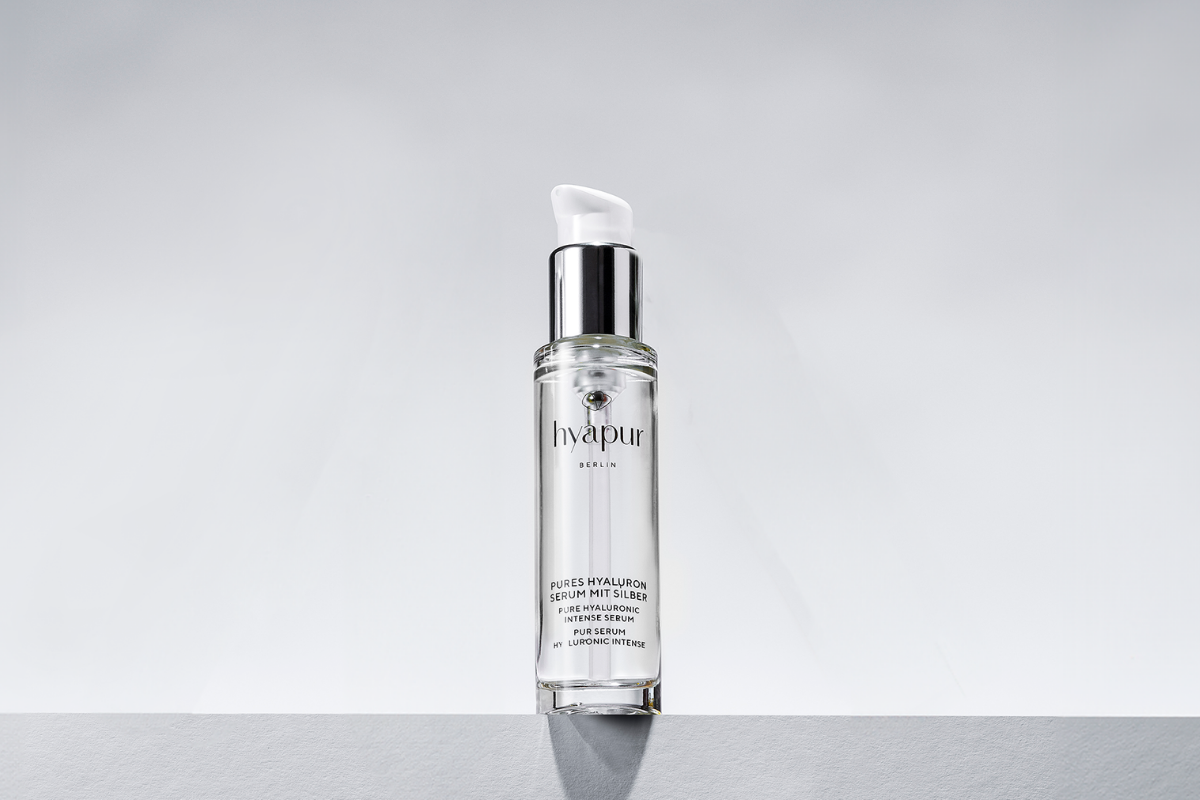
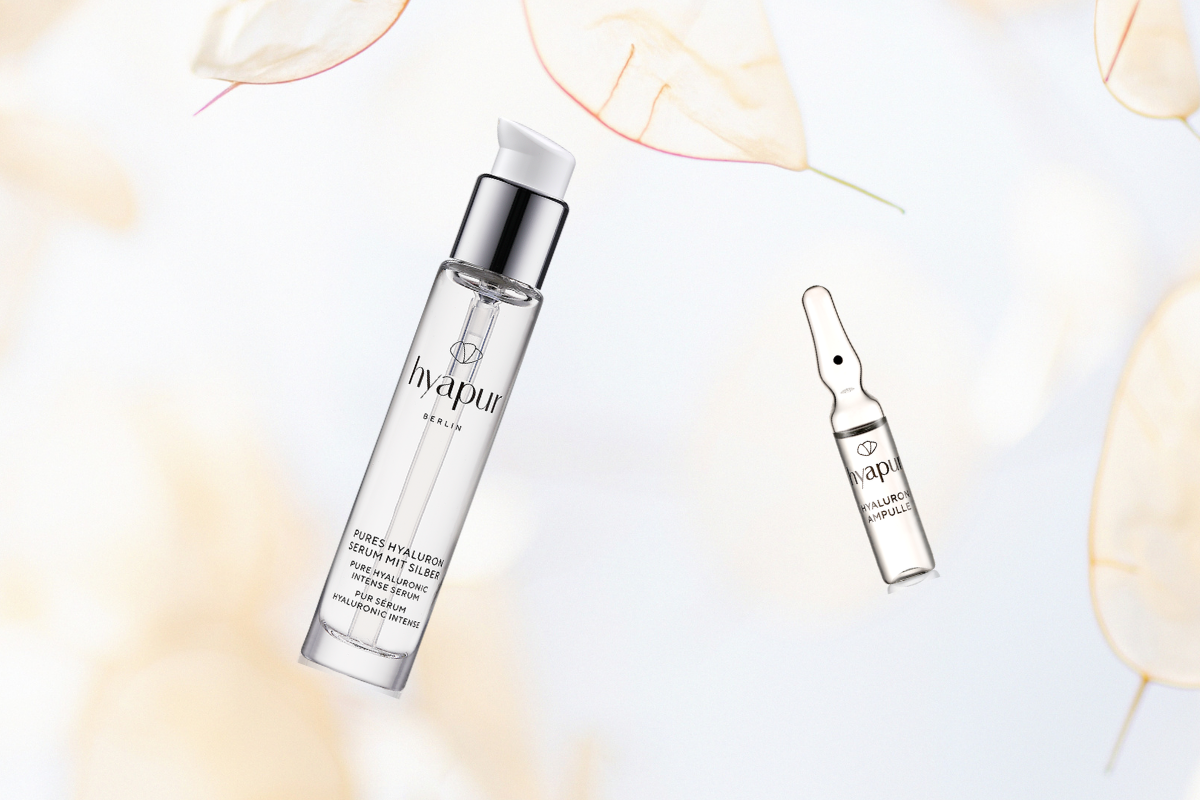
That is also the philosophy behind the Pure Hyaluron Serum from hyapur®: A consciously reduced formulation can focus on a central function without having to incorporate as many efficacy promises as possible into one product.